The best time for a Bali luxury vacation hinges on your priorities, with the dry season (May to September) offering abundant sunshine and ideal marine conditions, while the shoulder seasons (April, October) provide a serene balance of pleasant weather and fewer crowds. The wet season (November to March) unveils a lush, verdant island with attractive pricing for those seeking tranquility and cultural immersion.

  • Dry Season (May-September): Optimal for beach activities, surfing, and diving with minimal rainfall.
  • Shoulder Seasons (April, October): Experience moderate weather, fewer tourists, and more favorable pricing.
  • Wet Season (November-March): Discover Bali’s vibrant green landscapes, cultural festivals, and significant value on luxury accommodations.

Imagine the first breath of warm, humid air as you step onto Balinese soil, the scent of frangipani and incense a gentle welcome. The sun, a golden orb, dips towards the horizon, painting the sky in fiery hues over a tranquil rice paddy. Your private villa, an architectural marvel of wood and stone, awaits, its infinity pool mirroring the changing light. This is the promise of a Bali luxury vacation, an escape where every detail is curated for sublime indulgence. But when precisely does this tropical dream unfold most perfectly for your discerning tastes? Navigating Bali’s distinct seasons is key to unlocking the island’s finest experiences, from its world-class surfing breaks to its serene spiritual retreats. We delve into the month-by-month rhythm of the island, helping you pinpoint the ideal window for your bespoke journey.

The Shoulder Season’s Allure: April & May

As Bali transitions from its lush green season to the sun-drenched dry spell, April and May emerge as prime months for a Bali luxury vacation. The air hums with a comfortable warmth, averaging around 28°C (82°F), and the humidity begins to recede, offering a delightful reprieve from the earlier monsoons. Rainfall significantly diminishes, with April seeing approximately 90mm across 8-10 days, dropping further to just 70mm over 6-8 days in May. This period strikes a near-perfect balance: the island is verdant from recent rains, yet the skies are predominantly clear and blue, ideal for exploring ancient temples or lounging by your private pool.

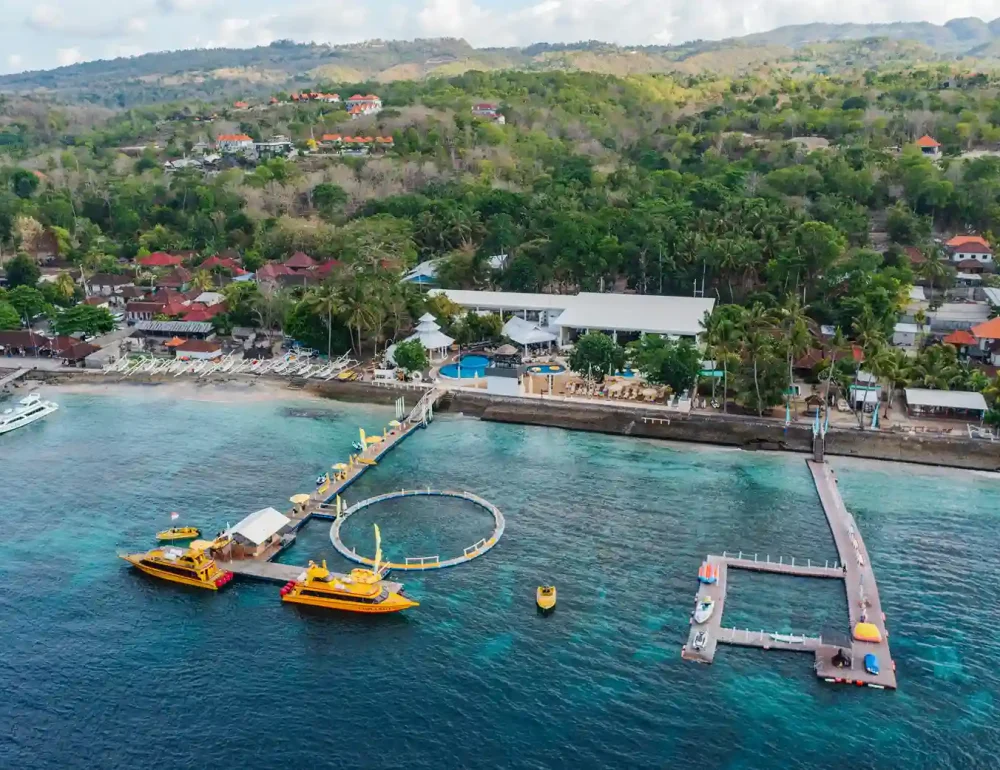
Marine conditions during these months are exceptional. Water temperatures hover around a balmy 28°C (82°F), and visibility for diving and snorkeling improves dramatically. Dive sites around Nusa Penida and Padang Bai become spectacular, offering encounters with manta rays and vibrant coral gardens. Surfers will find consistent, clean swells on the west coast breaks, such as Uluwatu and Canggu, before the peak season crowds fully descend. This sweet spot allows for unhurried boat trips to secluded coves and uncrowded sessions on some of Bali’s most iconic waves.

Crowd levels remain moderate, particularly in April, just before the European summer holidays kick in. You’ll find popular spots like Seminyak and Ubud buzzing, but without the intense density of July and August. This translates to easier restaurant reservations, more serene spa experiences, and less competition for prime spots at exclusive beach clubs. Pricing for luxury villas and bespoke experiences is also more favorable. Expect to see hotel rates average around $400-$600 per night for a high-end property, potentially offering 15-20% savings compared to peak season tariffs. Flights, too, often present better value, with potential savings of up to 10-15% on business or first-class fares from major international hubs. Booking your Bali luxury vacation three to four months in advance is usually sufficient to secure your preferred accommodations and experiences during this delightful period.

Peak Dry Season’s Embrace: June & July

June and July mark the official commencement of Bali’s dry season, a period characterized by abundant sunshine, minimal rainfall, and consistently pleasant temperatures. The average daily temperature hovers around 27°C (81°F), with refreshing breezes that temper the tropical warmth. Rainfall is almost negligible, with June recording as little as 40mm over 4-6 days, and July often seeing even less, sometimes just 20mm across 2-3 days. The skies are a brilliant azure, providing perfect conditions for outdoor activities and breathtaking photography. This is when the island truly lives up to its postcard-perfect image, inviting you to immerse yourself fully in its natural beauty.

Marine conditions during these months are simply superb. The ocean is calm and clear, with water temperatures maintaining a comfortable 27-28°C (81-82°F). Visibility for diving can extend beyond 30 meters, making it an exceptional time to explore the USS Liberty wreck at Tulamben or drift through the vibrant reefs of Menjangan Island. Surfing on the west coast of the Bukit Peninsula, from Padang Padang to Impossibles, reaches its peak, attracting seasoned wave riders from across the globe. The consistent offshore winds ensure clean, powerful barrels, making every session exhilarating. Whether you’re chartering a private yacht for island hopping or taking a sunrise surf lesson, these months offer unparalleled aquatic experiences.

Crowds begin to build significantly in June and intensify through July, particularly with the influx of Australian and European travelers. Popular areas like Canggu, Seminyak, and Uluwatu experience higher foot traffic, and demand for exclusive dining and private tours increases. While the island remains vibrant, securing reservations at top restaurants or booking a private driver for a day trip requires foresight. Pricing for a Bali luxury vacation during this peak period reflects the high demand. Expect luxury villa rates to ascend to $600-$900 per night, and sometimes higher for ultra-exclusive properties. Flight prices can also jump by 20-30% compared to the shoulder season. To ensure availability and secure your preferred choices, it is highly advisable to book your accommodations, private transfers, and special experiences at least five to six months in advance. The reward is experiencing Bali at its most radiant and active, under a sky that rarely sees a cloud.

Mid-Year Zenith: August & September

August and September represent the zenith of Bali’s dry season, offering a continuation of spectacular weather that defines the island’s peak visitor period. Temperatures remain consistently warm, averaging 27-28°C (81-82°F), with very low humidity, making for exceedingly comfortable days and pleasant evenings. Rainfall is at its absolute minimum, often less than 15mm across just one or two days in August, and only marginally more in September. These months promise endless sunshine and clear skies, perfect for every outdoor pursuit imaginable, from trekking through terraced rice fields to exploring volcanic landscapes. The air itself feels crisp and invigorating, a stark contrast to the more humid periods.

The marine environment during August and September is arguably the finest of the year. The Indian Ocean’s waters are exceptionally clear, with visibility regularly exceeding 30 meters at popular dive sites like Nusa Lembongan and the Gili Islands (a short boat trip away). This is also a prime time for spotting larger pelagics, including the majestic Mola Mola (ocean sunfish) around Nusa Penida, making it a dream for serious divers. Surfing conditions on the west coast are consistently epic, with powerful swells and ideal offshore winds creating world-class waves for all skill levels, from beginners learning at Echo Beach to experts tackling the barrels of Uluwatu. Boat charters to explore hidden beaches or enjoy sunset cruises are highly sought after, offering unparalleled views of the coastline.

As the peak of the dry season, August sees the highest concentration of visitors, especially from Europe and Australia, coinciding with their summer holidays. This means popular areas will be bustling, and booking well in advance for everything from top-tier restaurants to private yoga retreats is imperative. September offers a slight reprieve, with crowds beginning to thin slightly as school holidays conclude, but the weather remains equally superb. Pricing for a Bali luxury vacation during these months is at its peak. Expect luxury villas to command rates upwards of $700-$1000 per night, with some exclusive estates reaching even higher. Flight prices are also at their premium. Early booking, ideally six to eight months out, is essential to secure your preferred options and potentially mitigate some of the price surge. Despite the higher costs and busier atmosphere, the consistently perfect weather and vibrant energy make these months incredibly appealing for those seeking the ultimate Balinese experience. For current travel advisories and local information, Indonesia.travel provides up-to-date resources.

The Shifting Tides: October & November

As the dry season gracefully recedes, October and November usher in Bali’s second shoulder season, a period of transition that offers a different, yet equally captivating, facet of the island. The weather begins its gentle shift back towards the wet season, with average temperatures remaining warm at 27-29°C (81-84°F), but humidity levels gradually increase. Rainfall becomes more frequent, though typically in the form of short, intense afternoon showers rather than prolonged downpours. October might see around 100mm of rain over 8-10 days, while November can climb to 150-200mm across 12-15 days. These showers refresh the landscape, painting the rice paddies in even more vibrant shades of green and giving the air a clean, earthy scent. This is a time when the island breathes, shedding the intensity of peak season.

Marine conditions during these months remain largely favorable, especially in October. Water temperatures stay warm, around 28°C (82°F), and visibility for diving on the north and east coasts (like Amed and Candidasa) remains excellent. While the west coast surf breaks might start to feel the effects of shifting winds and increasing rain, the east coast begins to come alive for surfing, offering a different set of challenges and experiences. This period is also fantastic for cultural exploration, as the occasional rain showers invite you to linger longer in art galleries, participate in cooking classes, or enjoy a traditional Balinese massage in a tranquil spa. The quieter atmosphere allows for a deeper connection with the island’s spiritual heart, away from the bustling crowds.

Crowd levels significantly decrease from the August peak, making October and November an attractive option for those seeking a more serene Bali luxury vacation. You’ll find fewer tourists at major attractions, easier access to exclusive restaurants, and a generally more relaxed pace across the island. This reduction in demand translates directly into more favorable pricing. Luxury villa rates might drop to $350-$550 per night, representing substantial savings compared to the high season. Flight prices also become more competitive, potentially offering 15-25% reductions on premium cabins. Booking two to three months in advance is generally sufficient to secure your preferred luxury accommodations and bespoke experiences. This is an ideal time for discerning travelers who prioritize tranquility, value, and a more authentic, unhurried experience of Bali’s rich culture and lush landscapes. Consider exploring wellness retreats during this period; many offer special packages. Discover your perfect wellness journey here.

Festive Rains & Lush Landscapes: December & January

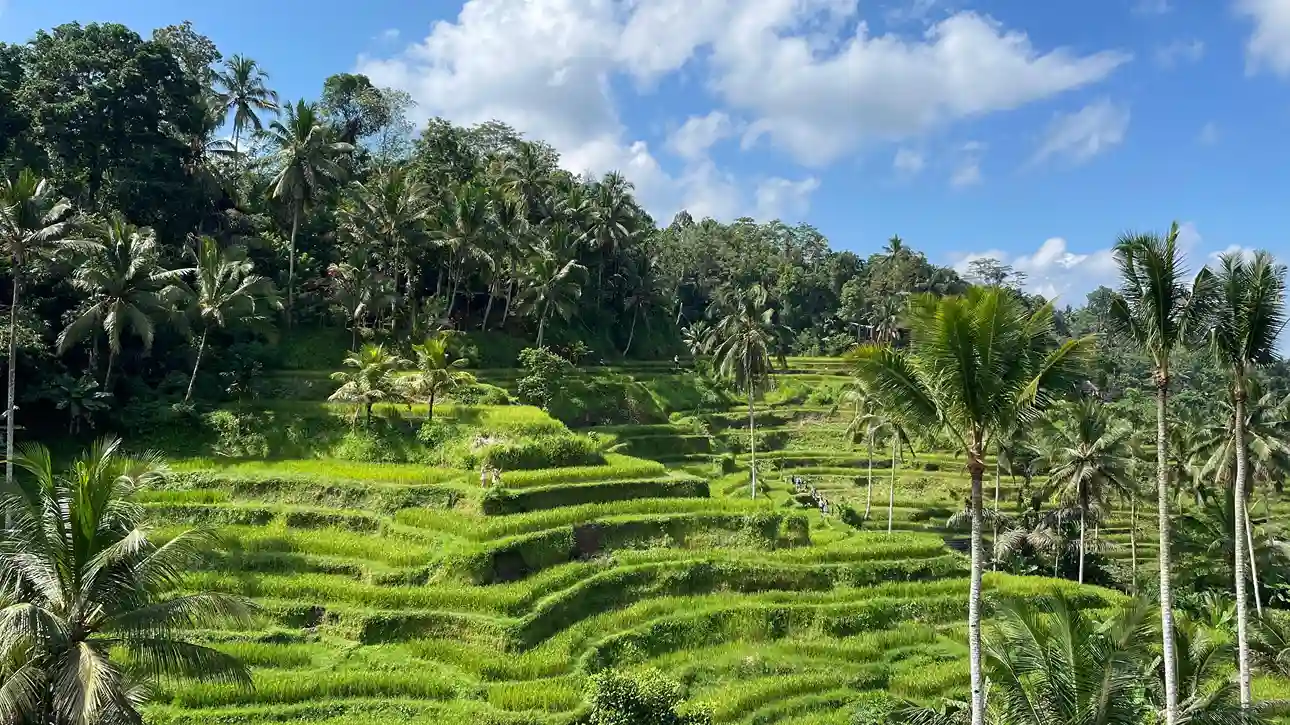
December and January plunge Bali into the heart of its wet season, characterized by more frequent and sometimes heavy rainfall, coupled with high humidity. Average temperatures hover around 29-30°C (84-86°F), and the air carries a distinct tropical heaviness. Rainfall can be substantial, with December often seeing 250-300mm over 15-20 days, and January peaking at 300-350mm across 20-22 days. While this might sound daunting, the rain often comes in powerful, refreshing downpours, typically in the afternoon or evening, leaving mornings and sometimes entire days clear and sunny. The island transforms into a vibrant, emerald paradise, with rice paddies glistening and foliage bursting with life. The air is clean, and the landscape feels incredibly alive.

Marine conditions during this period can be more challenging, particularly on the west coast, where strong winds can create choppier seas and reduce visibility. However, the east coast and north remain viable for diving, with sites like Amed and Tulamben still offering good visibility and rich marine life. Surfing shifts primarily to the east coast breaks, which receive more favorable conditions. While beach lounging might be interrupted by showers, this season is perfect for embracing Bali’s indoor luxuries: indulging in world-class spa treatments, exploring the vibrant culinary scene, or partaking in traditional Balinese cooking classes. The festive atmosphere around Christmas and New Year adds a unique energy, with many luxury resorts hosting special events and gala dinners.

Crowds during December and early January experience a significant surge due to the holiday season. Despite the wet weather, many travelers flock to Bali for Christmas and New Year celebrations, making it a peak period for certain segments of the luxury market. This demand drives up pricing, with luxury villas and resorts often implementing holiday surcharges of 20-30% or more. Expect luxury villa rates to range from $600-$900+ per night during the festive weeks. However, immediately after the New Year rush, from mid-January onwards, crowd levels drop dramatically, and pricing becomes much more attractive. From January 10th onwards, you can find luxury villa rates return to the $300-$500 per night range, offering exceptional value. Booking for the holiday period requires at least six to eight months’ notice, while post-holiday January can be secured three to four months out. For those seeking cultural immersion, the culture of Bali truly shines through its festivals, which occur year-round regardless of the weather.

Serene Green Season Escapes: February & March

February and March conclude Bali’s wet season, offering a tranquil and uniquely beautiful experience for a Bali luxury vacation. The island remains profoundly green and lush, a testament to the preceding months of rain. Average temperatures hover around 29°C (84°F), with high humidity, but the intensity of rainfall begins to wane. February typically sees about 200-250mm of rain over 15-18 days, while March gradually tapers to 150-200mm across 12-15 days. Showers are often concentrated in the late afternoons, leaving mornings bright and conducive to exploration. The air is thick with the scent of tropical blossoms, and the landscape feels incredibly vibrant and alive, offering a sense of seclusion and intimate connection with nature.

Marine conditions during these months are best experienced on Bali’s east coast, where dive sites like Amed, Tulamben, and Candidasa offer good visibility and a rich array of marine life, including pygmy seahorses and vibrant coral reefs. The west coast surf can be inconsistent due to the prevailing winds, but local knowledge can still uncover hidden gems. This period is ideal for embracing Bali’s interior: exploring the cultural heartland of Ubud, visiting ancient temples amidst misty landscapes, or participating in a rejuvenating yoga retreat. The lower tourist numbers mean a more personal and reflective journey, allowing for deeper engagement with local traditions and crafts. Consider a private cooking class to learn the secrets of Balinese cuisine; explore our culinary experiences here.

February and March represent the absolute lowest crowd levels of the year, outside of specific local holidays like Nyepi (which shifts annually but often falls in March). This is the time for unparalleled tranquility, where you can experience Bali’s most popular attractions with a sense of private discovery. The absence of crowds extends to luxury dining, bespoke tours, and spa appointments, offering a truly exclusive feel. This period also presents the most attractive pricing for a Bali luxury vacation. Luxury villa rates can drop significantly, often found in the $250-$450 per night range, representing savings of 30-40% or more compared to peak season. Flight prices are also at their most competitive, making premium travel more accessible. Booking one to two months in advance is usually sufficient, though for specific villas, three months is safer. This green season offers an extraordinary opportunity for discerning travelers to experience the soulful essence of Bali in an atmosphere of serene luxury, with exceptional value.

Finding Your Perfect Bali Luxury Vacation Window

Ultimately, the “best” time for your Bali luxury vacation is a personal decision, shaped by what you seek from this enchanting island. Do you crave the endless sunshine and vibrant energy of the dry season, willing to navigate larger crowds and premium pricing for perfect beach days and world-class surf? Or does the allure of a lush, emerald landscape, fewer tourists, and exceptional value during the wet season resonate more deeply with your desire for tranquility and cultural immersion? Perhaps the balanced beauty of the shoulder seasons, with their pleasant weather and moderate crowds, offers the ideal compromise. Each period presents a unique tapestry of experiences, from the buzzing beach clubs of Seminyak to the spiritual serenity of Ubud’s rice paddies.

No matter when you choose to visit, Bali promises an unparalleled journey of luxury, discovery, and rejuvenation. From bespoke villa stays with private chefs to curated wellness retreats and exhilarating marine adventures, the island caters to every refined taste. Consider your priorities for weather, marine activities, crowd tolerance, and budget, then align them with Bali’s seasonal rhythm. Whether you are planning a honeymoon, a family escape, or a solo spiritual quest, understanding these nuances ensures your Bali luxury vacation transcends expectation. Begin planning your exquisite escape today, and let the magic of Bali unfold before you. Start crafting your dream Bali itinerary with us.