Dry-season light · green-season calm · festive weeks to plan around
Bali rewards travellers all year — the trick is matching the month to the mood. Here is how the seasons read, what they cost, and when the island is at its finest for you.
The dry months from April to October bring the clearest skies and calmest seas — the classic window for beaches, diving and long days out. July and August are the liveliest and priciest, as are the festive weeks around Christmas and New Year. Travel in the shoulder months or through the green season and you trade a little weather for far fewer crowds and noticeably softer rates. Whichever window you choose, we shape the itinerary around it.
From April to October the island settles into clear skies, gentle breezes and warm, calm water. It is the season for the coast — sunset dinners at Uluwatu, beach clubs in Seminyak, and day charters to Nusa Penida on glassy seas. Divers enjoy visibility of around 30 metres and water near 28°C, while the terraces of Ubud stay green and golden in the morning light. July and August are the busiest and most expensive weeks, so we secure villas and tables well ahead.
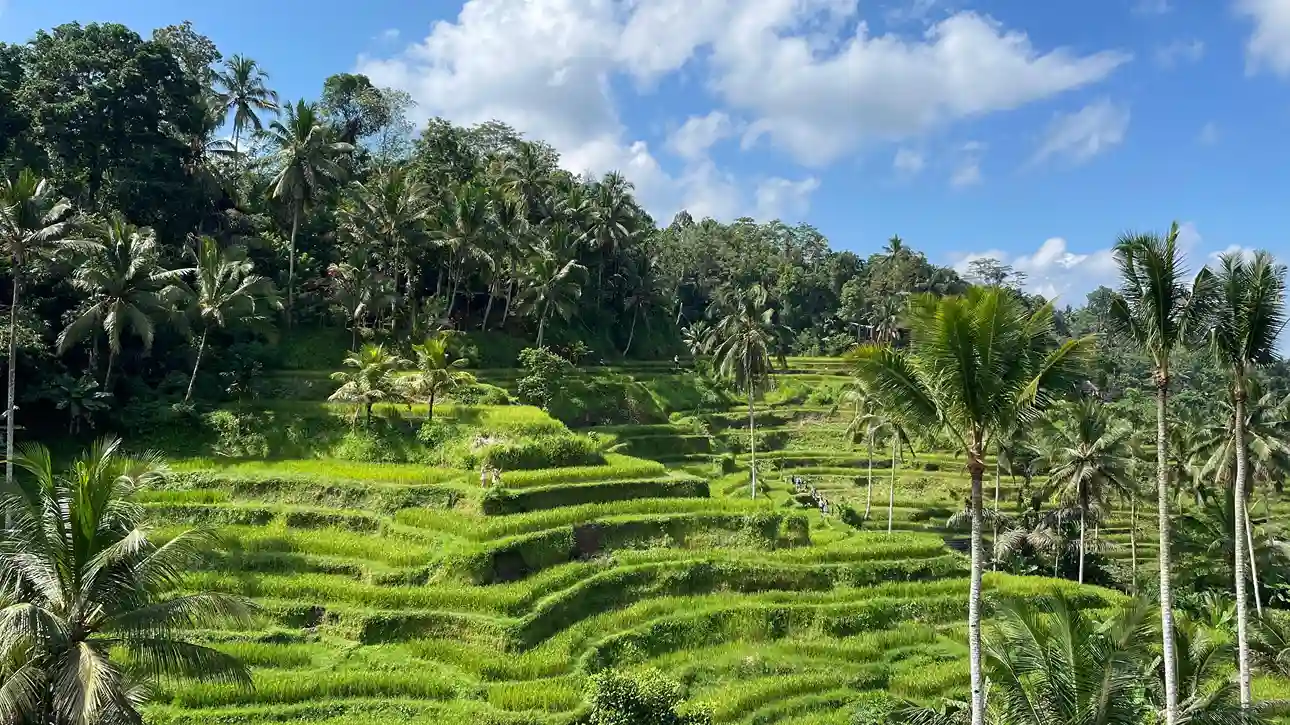
From November to March the landscape turns its deepest green and the crowds thin out. Rain tends to arrive in warm afternoon bursts rather than all-day downpours, leaving mornings clear for temples, spas and the rice terraces at their most lush. Villa rates fall to their lowest of the year — often $250–$500 a night for stays that command far more in July — making this the connoisseur’s window. The one exception is the festive stretch from late December to early January, when demand and prices climb.
Four ways the Bali year unfolds — and who each one suits best.
Clear skies and calm seas — the classic window for beaches, diving and surf.
The sunniest, liveliest weeks and the holiday surge; book villas and tables early.
Dry-season light with low-season calm — the balanced sweet spot.
Lush, quiet and gentle on the budget, with warm afternoon showers.
Indicative per-night rates for a private-pool villa; final pricing depends on the property, length of stay and exact dates. We confirm your figure before you commit.
The questions travellers ask most when choosing when to come.
For most travellers, April through October — the dry season — is ideal, with clear skies, calm seas and warm days. July and August are the sunniest and busiest; the shoulder months of April and October offer the same fine weather with fewer crowds.
The dry season, and especially June to September, brings the calmest water and clearest visibility — often 30 metres for diving, with sea temperatures around 28°C. It is the prime window for the coast, boat days and the southern beach clubs.
Aim for the shoulder months of April and October. You still get plenty of dry, bright days, but the peak-season crowds and premiums have eased — the balance many of our travellers prefer.
Very much so. From November to March the island is at its greenest and quietest, and rain usually falls in short afternoon showers rather than all day. Mornings stay clear for temples, spas and the terraces at their most lush.
Rates are at their lowest — private-pool villas often run $250–$500 a night, well below their July figures — and availability is easy. It is the most rewarding window for value without giving up comfort.
During the peak weeks of July and August and the festive stretch from late December to early January, when demand pushes rates up by roughly 20–30 percent. If you travel then, we secure the best villas and tables well in advance.
Operated by Bali Premium Trip · the same desk across our Bali network